For international companies looking at the United States, the opportunity is significant. So is the complexity.
That was one of the clear messages from this year's SelectUSA Investment Summit, the U.S. Department of Commerce's flagship event for international investment into the United States.
The 2026 Summit brought together more than 5,500 attendees, including over 2,700 international business delegates from more than 100 international markets and more than 1,100 economic-development representatives from across the United States.
Mackin Group Executive Chair Denis Collins attended as part of the Irish delegation and was invited by Enterprise Ireland to contribute a senior Irish business perspective in a recorded interview connected with Enterprise Ireland's The Next Innovation podcast activity around the Summit.
Drawing on his experience as a CEO and Executive Chair, senior global leadership roles with IBM, and as a Board Director and Chair of Regional Development with IDA Ireland, Denis discussed international growth, scaling businesses in the U.S., investment, talent and capability, and the broader Ireland-U.S. business relationship.
Underlying much of the conversation was a leadership principle that applies well beyond international expansion:
Start with where the business needs to be, then work backwards to the capabilities, operating model and decisions required to get there.
The U.S. Is One Market, But It Shouldn't Be Treated Like One
One of Denis's strongest observations was that companies entering the United States need to think regionally.
“You have to approach the 50 states almost like it's 50 countries.”
The point isn't that companies need 50 different strategies. It's that a national U.S. expansion strategy quickly becomes regional when execution begins.
Talent availability, industry clusters, customers, infrastructure, incentives and operating costs vary significantly. Where a semiconductor company builds capability may be very different from where a life-sciences or advanced-manufacturing business should concentrate its resources.
As Denis explained, companies need to consider where their value proposition is strongest, where the resources they require are available and where their clusters of customers are located.
For international businesses, the question therefore isn't simply, “How do we enter the U.S.?”
It is: Where in the U.S. does our business have the strongest opportunity to succeed and scale?
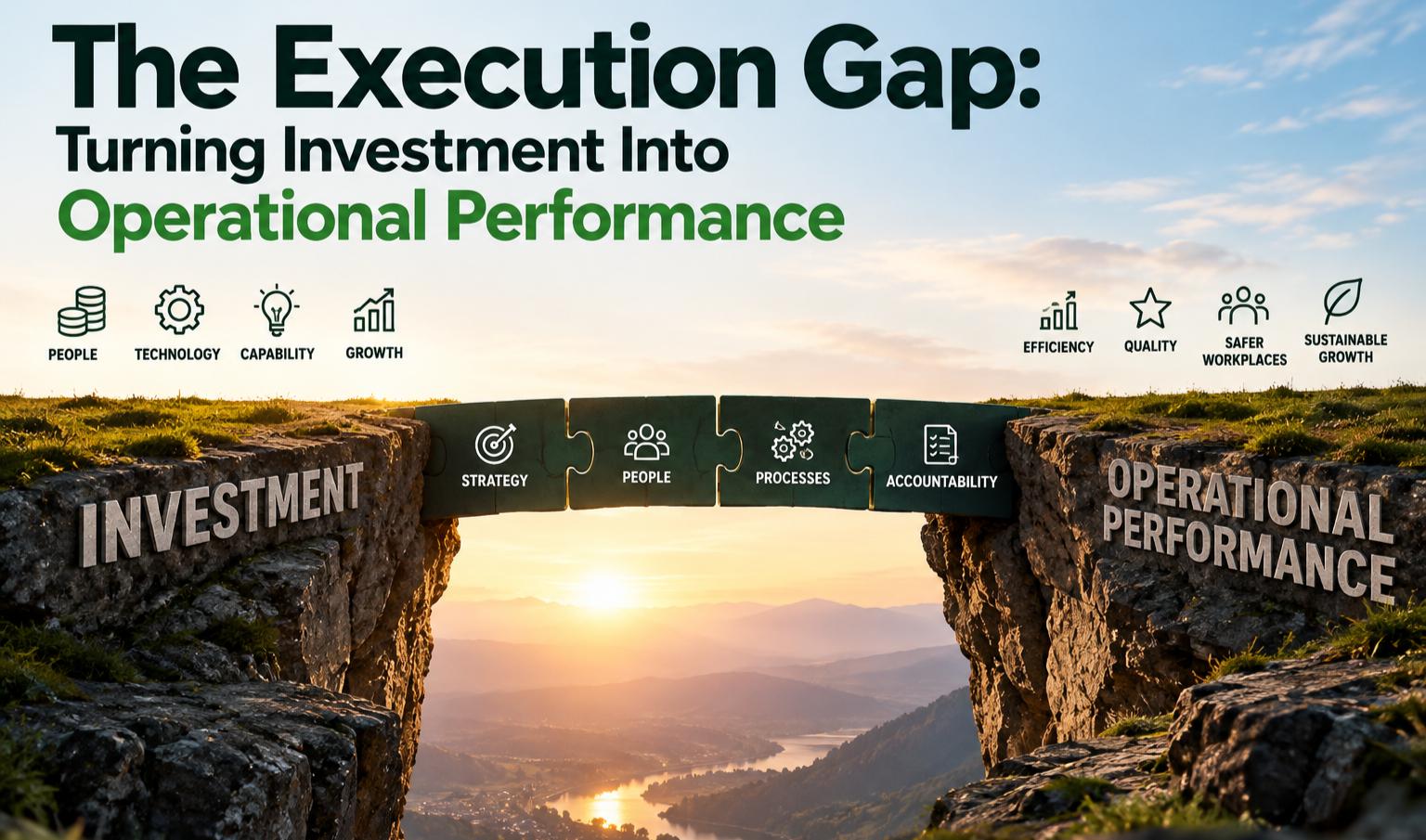
Investment Has to Be Matched by Capability
That question becomes even more important in industries experiencing rapid expansion.
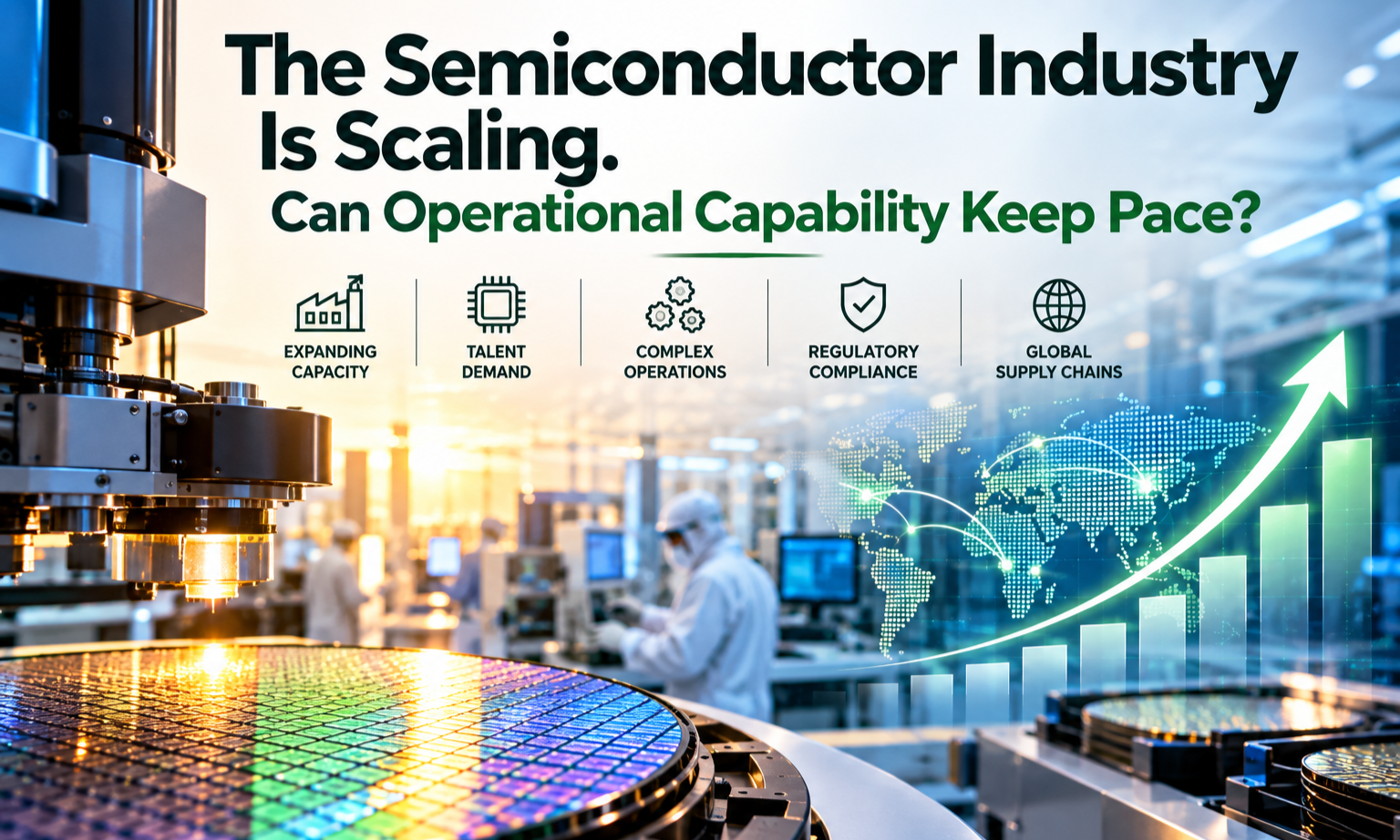
Denis pointed specifically to semiconductors, where Mackin is seeing organizations move quickly while facing significant challenges securing the people and skills required to support that growth.
His observation from the market was straightforward: companies “can't get the skills fast enough to deploy what they want to achieve.”
But the challenge isn't simply recruitment.
Organizations also must integrate and manage increasingly complex combinations of employees, specialists, contractors and external partners. Capital and market opportunity create the potential for growth, but organizations still need the engineering, technical and operational capability required to turn that opportunity into results.
This is where workforce and capability strategy becomes part of the operating model and ultimately part of execution.
Scaling Requires the Right Capability Model
Denis also discussed a challenge Mackin increasingly encounters with clients. Organizations may have approved budgets and clear delivery requirements but not necessarily the internal headcount, recruiting capacity or ability to retrain existing resources quickly enough.
The business requirement, however, still exists.
Mackin's model addresses that gap by providing a turnkey workforce solution for high-tech and complex environments, recruiting, training and managing teams while taking responsibility for agreed deliverables and outcomes.
The broader lesson is that organizations should not automatically translate every new business requirement into a permanent requisition.
Start instead with the outcome.
What does the business need to accomplish? What capability is required to deliver it? What operating model will support that capability? And what is the most effective way to put it in place?
Depending on the requirement, the answer may be permanent internal capability, specialist expertise, additional execution capacity or an integrated managed team with leadership and accountability built into the model.
The objective isn't simply adding people. It is building the right capability to execute.
Work Backwards from Where the Business Needs to Be
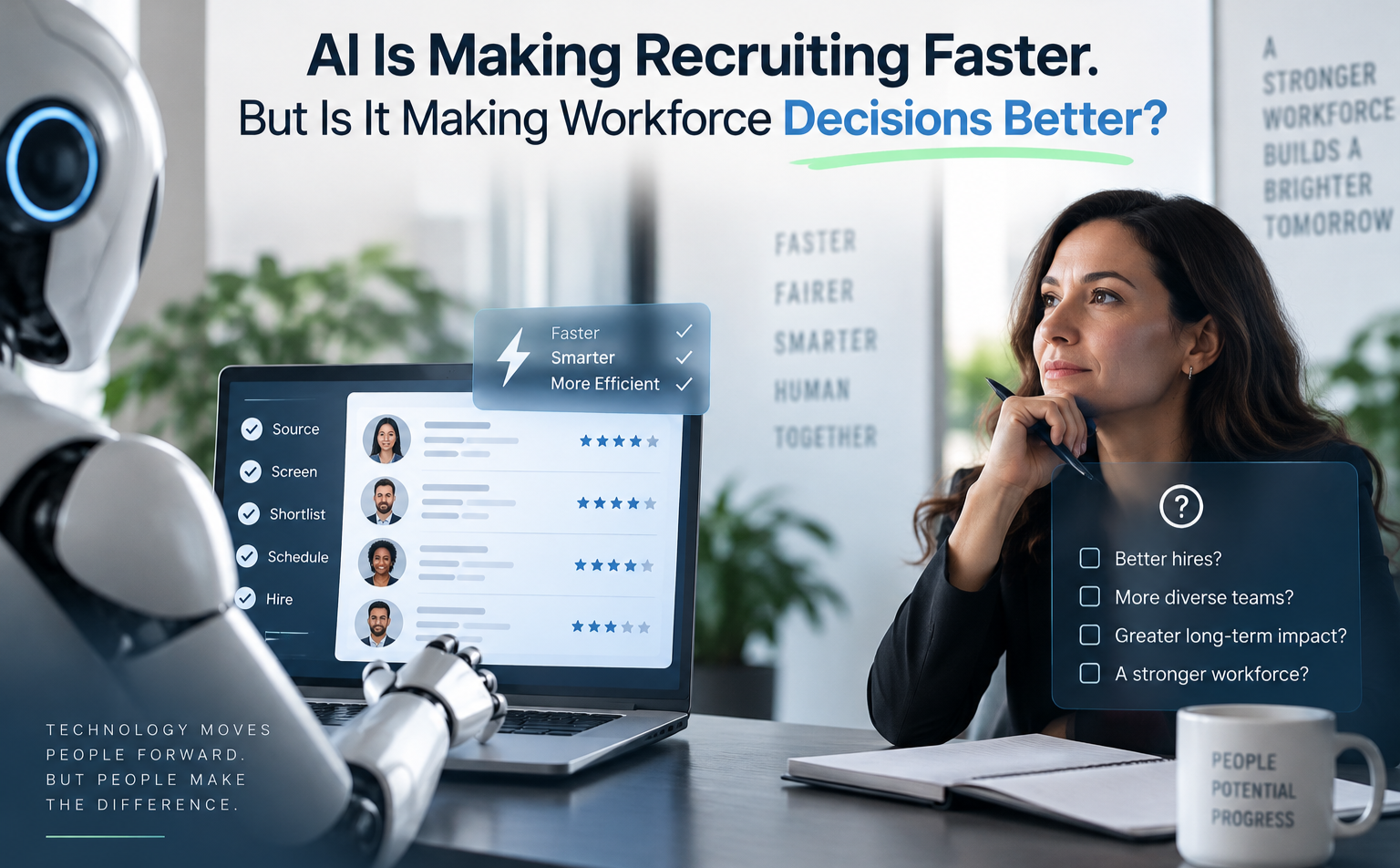
Perhaps the most forward-looking part of Denis's SelectUSA conversation came when he was asked about AI and the future.
Rather than trying to predict exactly what AI will look like ten years from now, Mackin is taking a more practical approach.
The leadership team is already asking:
What will our ideal client look like three years from now?
From there, Mackin is working backwards, considering how AI will affect clients, how their capability requirements will change, what that means for their operating models and how Mackin itself needs to evolve as a partner.
It is a useful leadership discipline.
Start with where the business needs to be and work backwards. What capabilities will be required? What will the operating model need to look like? Where will technology change workflows? What expertise will become more important? What decisions need to be made now rather than when the requirement becomes urgent?
The principle applies equally to a company entering the U.S., expanding a manufacturing operation, deploying new technology or preparing for the next stage of growth.Planning ahead isn't simply anticipating change. It is making deliberate decisions today about the capabilities and operating model required to execute tomorrow.
A Strong Ireland-U.S. Business Relationship
SelectUSA also provided an important reminder of the depth of the commercial relationship between Ireland and the United States.
Denis highlighted the longstanding connection between the two countries, including investment flowing in both directions and the shared history underpinning that relationship. For Irish companies considering U.S. expansion, organizations such as Enterprise Ireland and events such as SelectUSA provide an important bridge into the market.
But entering the U.S. is only the beginning.
Successful expansion ultimately depends on making the right regional choices, understanding where customers and capabilities are concentrated, developing an operating model that can scale and ensuring the organization has the capacity to execute as opportunity grows.
Growth creates opportunity. Scaling requires capability.
Mackin Talent partners with organizations expanding and scaling complex operations in the United States, providing embedded and managed engineering, technical and operational capability with leadership and accountability built into the model.
If U.S. expansion, workforce scalability or execution capacity is on your agenda, contact the Mackin Talent team to discuss how we can support your growth.